Condition guide

Under-eye circles

Darkness, shadowing or hollowing beneath the eyes can have more than one cause. Understanding the pattern comes before choosing any treatment.

Request a consultation
Natural portrait illustrating the under-eye area in soft daylight

A closer look

The under-eye area is delicate. A careful assessment considers colour, contour, skin quality and the broader health context before making recommendations.

Not every under-eye circle is the same.

What looks like a dark circle may be pigment, visible blood vessels, a natural facial contour, volume change or a combination of factors. Sleep can influence how the area appears, but persistent concerns often need a more individual explanation.

Jova Skin provides clear information to help you prepare for a consultation. A qualified professional can assess whether an aesthetic approach is suitable, or whether a changing concern should be evaluated in a dermatology setting.

Explore dermatology
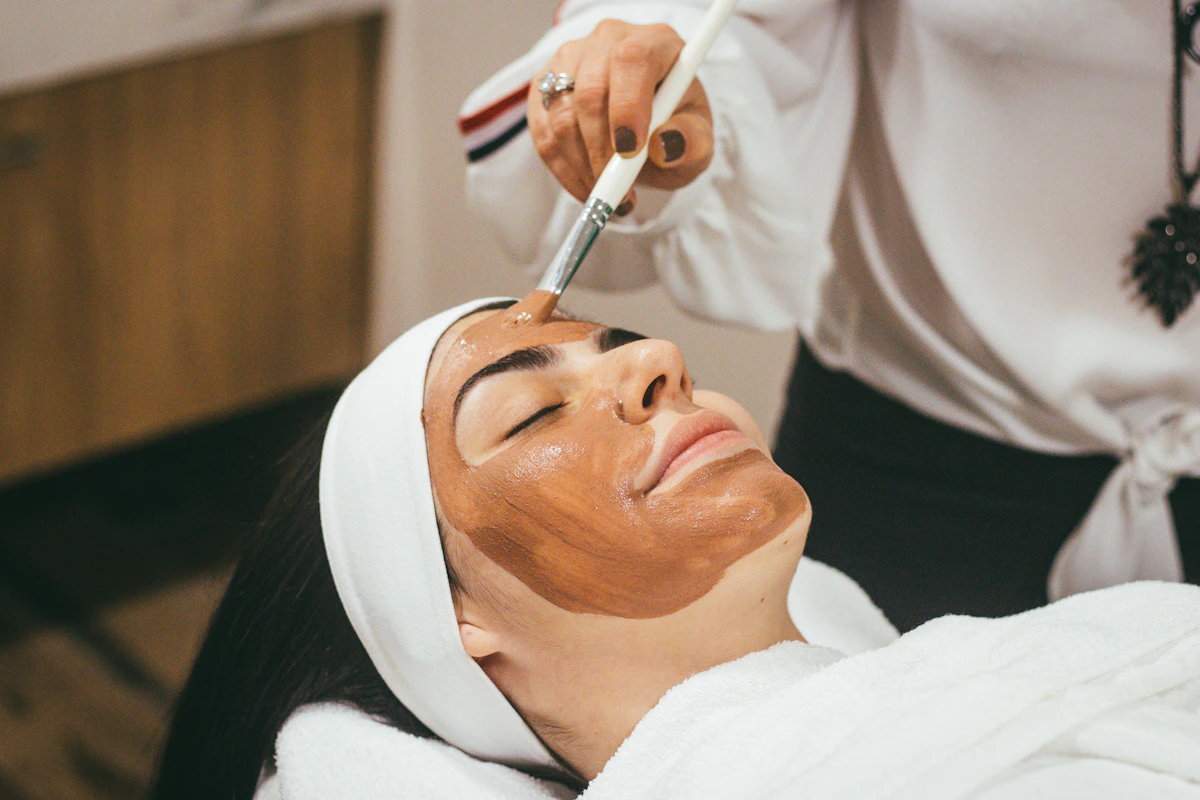
Person in natural light representing thoughtful skin assessment

Why they appear

Common contributors to darkness and shadow.

Several features can overlap in the same area, so a treatment that suits one concern may not suit another.

  • Inherited facial structure or naturally deeper tear troughs
  • Changes in pigment and the effects of sun exposure
  • Thin skin or visible vessels beneath the eye
  • Age-related shifts in volume and support
  • Allergies, irritation, lifestyle factors or temporary fatigue

Options to discuss

A plan should reflect the cause.

These approaches are not interchangeable. Suitability, risks, likely benefits and recovery should be discussed with an appropriately qualified professional.

Skin assessment as part of a personalised care discussion

Contour and hollowing

Injectable filler assessment

When shadowing is related to contour or volume change, an experienced practitioner may discuss whether carefully placed filler is appropriate. This is a specialised area where anatomy, product choice and conservative planning matter.

Explore injectables
Modern technology used to illustrate laser skin care discussions

Pigment and texture

Light and laser-based care

Some pigment-related concerns may be considered for energy-based treatment. A consultation should account for skin type, pigment pattern, sun exposure, previous treatments and the possibility of temporary colour changes.

Explore laser treatments
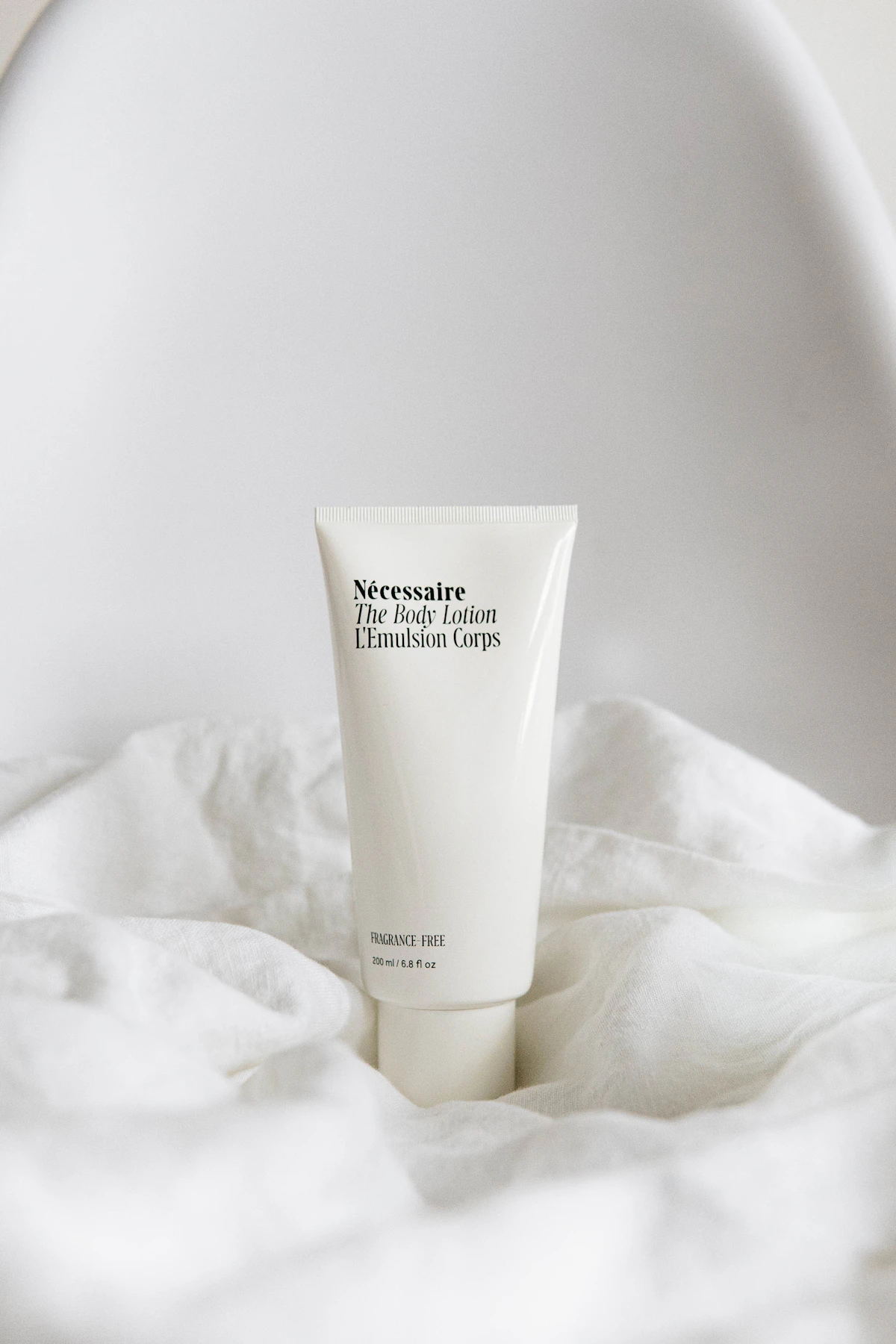
Skin care products representing daily skin support and aftercare

Daily support

Skin care and prevention

Sun protection, gentle products and advice on irritation can be useful parts of an overall plan. These measures may support the skin but do not replace assessment of a new, one-sided or changing under-eye concern.

Explore patient resources

How we work

Start with an informed discussion.

STEP 01

Observe

Describe when you notice the concern and what changes its appearance.

STEP 02

Assess

Consider pigment, contour, skin quality and relevant health information.

STEP 03

Compare

Discuss suitable options, alternatives, limitations and recovery.

STEP 04

Plan

Leave with clear preparation and aftercare guidance where appropriate.

Common questions

Before you decide.

General guidance can help you ask better questions, but it cannot determine what is appropriate for you.

Visit the full FAQ
Can lack of sleep cause dark circles?

Short-term tiredness can make the area appear more pronounced, especially when fluid retention or paler skin increases contrast. Persistent circles often reflect a combination of anatomy, pigment or skin quality as well.

Are under-eye fillers suitable for everyone?

No. Filler is not appropriate for every pattern of under-eye darkness or every person. A consultation should review anatomy, skin condition, prior procedures, risks and alternatives.

Can laser treatment help with under-eye darkness?

It may be considered for certain pigment or texture concerns, but it does not address every cause of darkness. Skin type and the source of the colour need careful assessment first.

How long does recovery take?

Recovery depends on the chosen approach. Ask specifically about expected swelling, redness, activity restrictions, sun protection and when to seek advice.

When should I seek medical assessment?

Arrange professional assessment for a new, one-sided, rapidly changing or symptomatic concern. This page is educational and is not a diagnosis.

Can skin care remove under-eye circles?

Skin care can support comfort, barrier health and sun protection, but it may not change structural hollowing or all causes of pigmentation. A realistic plan should explain those limits.

Your next step

Bring your questions to the consultation.

A clear discussion of what you see, what you have tried and what outcome matters to you is the right place to begin.

Request a consultation